
Blog
Blog
The Evolution Of Hearing Aids
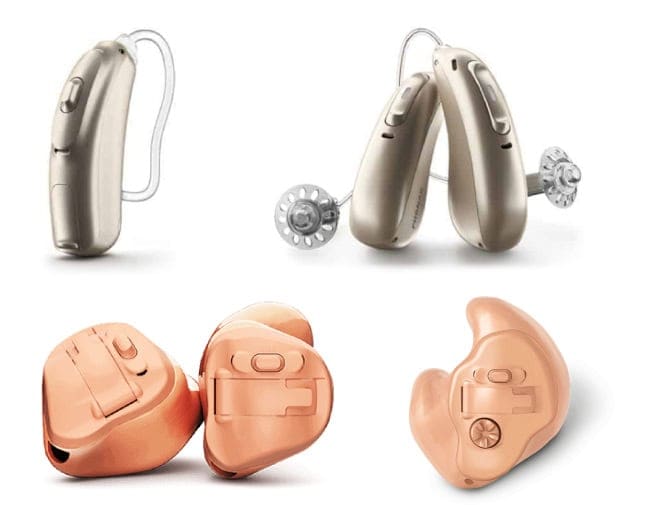
How Hearing Aids Have Evolved
Many people worry that a hearing aid will be bulky or noticeable, but the reality is that modern hearing aids are small, discreet, and designed for everyday comfort.
The very first hearing devices, however, were impossible to miss. These earliest hearing aids were known as ear trumpets (often seen in older films) and were used from about the 1600s. They worked in much the same way as cupping your hand behind your ear, amplifying and focusing sound waves.
Electronic Hearing Aids
The first electronic hearing aids, invented in the late 1800s, were called carbon microphones. They were so large that users needed a carrying case to transport them. As a result, they were not very popular, and ear trumpets continued to be used well into the 1920s.
Technology began to improve with the introduction of electronic vacuum‑tube hearing aids. These devices were still sizable but could be carried in a pocket and used with a small attachment inserted into the ear.
Hearing Aids in the Modern Era
Modern in‑ear hearing aids without external attachments became widely available after the 1950s. From the 1950s to the 1980s, hearing aids relied on transistors to amplify sound. Today, we live in the digital era, where hearing aids can be precisely programmed to filter specific types of noise and automatically adjust volume levels in quiet or noisy environments. Some modern hearing aids can also connect wirelessly to televisions, computers, and other devices.
The range of hearing loss that can be supported by hearing aids has expanded as well. While many models are suitable for individuals with mild to moderate hearing loss, there are now options designed to support more severe hearing challenges.
The trend toward smaller, more discreet hearing aids continues. Many modern hearing aids are designed to be barely noticeable. You may know someone who wears one without realizing it. One of the most common styles is the behind‑the‑ear model, where a component rests behind the ear and connects to a receiver worn inside the ear canal. Other styles include hearing aids that fit partially or completely inside the ear canal, as well as those that fit directly within the outer ear.
Types of Hearing Aids Available Today in Alberta
Modern hearing aids offer Alberta residents more choice, comfort, and performance than ever before. Today’s designs focus on discreet wear, advanced technology, and customized hearing support.
Albertans can explore a wide range of modern hearing aids designed to match different lifestyles, levels of hearing loss, and comfort preferences.
Behind-the-Ear (BTE) Hearing Aids
Behind-the-ear hearing aids remain a popular option due to their versatility and durability. These devices sit comfortably behind the ear and connect to the ear canal through a thin tube or wire.
Benefits include:
- suitable for mild to severe hearing loss
- easy handling and maintenance
- powerful sound processing
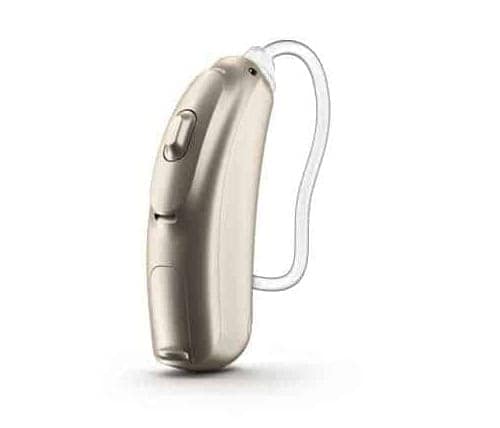
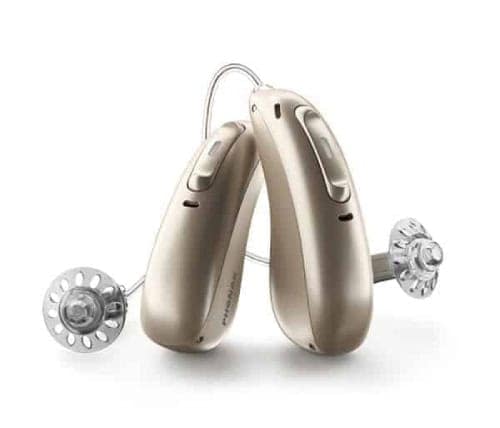
Receiver-in-Canal (RIC) Hearing Aids
Receiver‑in‑canal hearing aids offer a sleeker alternative to traditional behind‑the‑ear models. The receiver is placed directly in the ear canal, helping deliver more natural sound quality.
Key advantages:
- smaller, more discreet design
- improved sound clarity
- comfortable all-day wear
In-the-Ear (ITE) Hearing Aids
In-the-ear hearing aids are custom moulded to fit your ear and offer a balance between visibility and performance.
These hearing aids may be suitable for people who:
- want easier handling than in-canal models
- prefer custom-fitted hearing aids
- have mild to moderate hearing loss
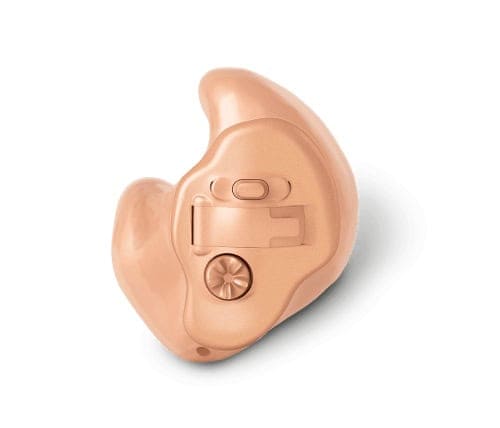
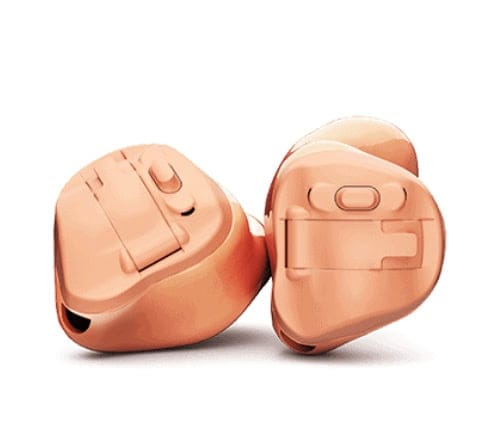
In-the-Canal (ITC) and Completely-in-Canal (CIC) Hearing Aids
These hearing aids sit partially or entirely inside the ear canal, making them among the most discreet options available.
People often choose these models because they are:
- very subtle appearance
- lightweight and comfortable
- designed for mild to moderate hearing loss
Why Modern Hearing Aids Are Worth Considering
Today’s hearing aids do more than amplify sound. Many current models offer:
- Bluetooth connectivity
- rechargeable battery options
- speech enhancement and noise reduction technology
- personalized programming for different environments
These advanced features are part of the broader range of hearing care services available through Soundwave Hearing Care.
Hearing Aid Technology and Safety Standards in Canada
According to Health Canada, hearing aids sold in Canada are regulated as medical devices and must meet national safety, performance, and labelling requirements. These regulations help ensure hearing aids are safe and effective for individuals experiencing hearing loss.
Book a Hearing Test in Alberta
Hearing aids can benefit anyone who is experiencing difficulty hearing, including those with mild hearing loss. If you believe your hearing has changed, a professional assessment can help identify appropriate hearing solutions.
You can book a hearing test in Alberta through Soundwave Hearing Care to receive a comprehensive evaluation and personalized recommendations.
Contact Soundwave Hearing Care today to book your hearing test or consultation.
All the blogs are reviewed and edited by our clinic's lead audiologist, Dr. Anne Wooliams. Dr. Woolliams is an experienced audiologist specialized in pediatric audiology, auditory processing, and tinnitus/sound sensitivity therapy. She is dedicated to providing top-notch hearing care and helping her clients improve their language and communication abilities. Dr. Woolliams' expertise in literature and linguistics, combined with her passion for helping people improve their language and communication, make her an incredibly valuable asset in the field of audiology. Learn more about Dr. Woolliams.