
Understanding Auditory Symptoms in Musicians: Insights from Recent Research

Updated: May 5
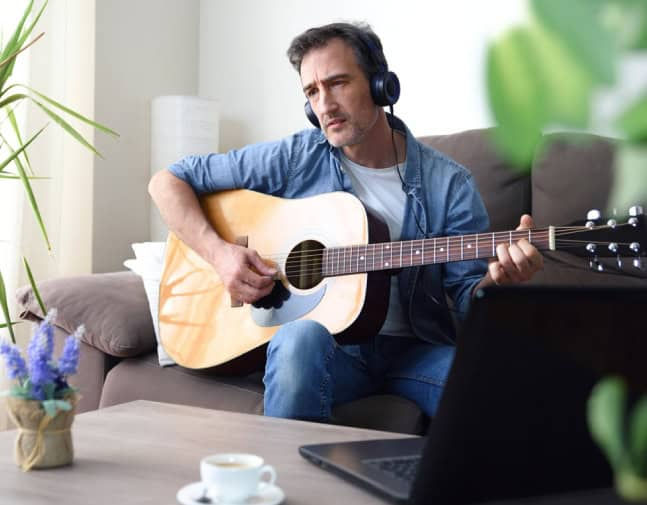
Musicians rely on their hearing as much as athletes rely on physical strength. Whether performing live, rehearsing in enclosed spaces, or producing music in studio settings, exposure to high sound levels is part of the profession. Recent scientific research, including a systematic review and meta-analysis published in a peer-reviewed medical journal, confirms what many musicians in Alberta already suspect. Long-term exposure to music-related noise significantly increases the risk of auditory symptoms.
This article breaks down the key findings of that research in practical terms and explains how proactive hearing care, including testing, hearing aids, and custom ear molds, can help musicians protect both their craft and quality of life.
Understanding the Research
A systematic review and meta-analysis examine results from multiple studies to identify consistent patterns and reliable conclusions. The study referenced through PubMed analyzed auditory symptoms in musicians across various genres and experience levels. Rather than focusing on a single group, it evaluated trends spanning classical performers, rock musicians, DJs, and music educators.
The research shows that musicians have a significantly higher prevalence of hearing-related symptoms compared to non-musicians. These symptoms often begin subtly and progress gradually, making them easy to ignore until permanent damage has occurred.
Common Auditory Symptoms Reported by Musicians
Tinnitus is the most common auditory symptom among musicians and often appears as ringing, buzzing, or hissing after rehearsals or performances. Although it may fade at first, repeated sound exposure can make it permanent. Noise-induced hearing loss is also widespread and often affects high-frequency hearing and speech understanding, especially in loud or crowded environments. Musicians may also experience sound sensitivity, ear fullness, and temporary hearing changes that can become permanent over time.
Why Musicians Are at Higher Risk
Musical sound exposure differs from industrial noise in one important way. Musicians are exposed to loud sounds for extended periods in settings where hearing protection is often inconsistent or absent. Rehearsal spaces, orchestral pits, and small venues can all amplify sound intensity. Headphone use during mixing or practice adds another layer of risk.
Volume levels during performances often exceed safe listening limits established by occupational health guidelines. Even short bursts of sound at high decibel levels can increase the risk of inner ear damage when exposure is frequent.
The Importance of Early Hearing Testing
Regular hearing assessments are one of the most effective ways to identify early changes before they affect performance or daily life. Hearing clinics in Calgary offer comprehensive hearing tests that can detect subtle shifts in hearing sensitivity, including high-frequency loss often associated with music exposure.
Early detection allows musicians to take preventive measures rather than reactive ones. Hearing tests also establish a baseline, making it easier to track changes over time and adapt protection strategies accordingly.
Hearing Aids for Musicians
Musicians who already notice hearing changes can benefit from modern hearing aids that are specially optimized for music. Unlike older devices, current hearing aids can be programmed to preserve musical fidelity while enhancing clarity in speech.
Advanced digital processing allows hearing aids to handle complex sound environments. This is critical for musicians who need accurate pitch perception and dynamic range. A professional fitting ensures that amplification supports music enjoyment rather than distorting it.
The Role of Custom Ear Molds
One of the most effective preventive tools for musicians is the use of custom ear molds. Unlike generic earplugs, custom lifestyle molds are designed to fit comfortably and provide consistent attenuation across frequencies. This means volume is reduced evenly without muffling sound quality.
Musician-specific molds allow performers to hear themselves and others clearly while reducing harmful sound levels. This balance is essential for maintaining timing, pitch accuracy, and overall musical connection. Custom ear molds are particularly valuable for live performers, instructors, and frequent rehearsal participants.
Long-term Strategies for Healthy Hearing
The research makes one thing clear. Auditory symptoms among musicians are common but not inevitable. With proper awareness, routine hearing care, and professional support, musicians can significantly reduce their risk.
A long-term strategy includes regular hearing tests, consistent use of custom ear molds, mindful volume management, and timely intervention with hearing aids when necessary. Musicians in Alberta have access to specialized services through hearing clinics in Calgary that understand the unique demands of music professionals.
Supporting Lifelong Musical Health
Hearing health is not just about preventing loss. It is about preserving creativity, communication, and emotional connection to music. By taking auditory symptoms seriously and responding proactively, musicians can continue performing and teaching with confidence for decades.
Soundwave Hearing Care is committed to supporting musicians with evidence-based care, advanced technology, and personalized solutions that protect what matters most. Hearing is not just a sense. For musicians, it is the foundation of their art. Connect with our team to schedule your hearing assessment.


Comments