
Blog
Blog
Why Subtitles Are Becoming Essential, Even with Good Hearing
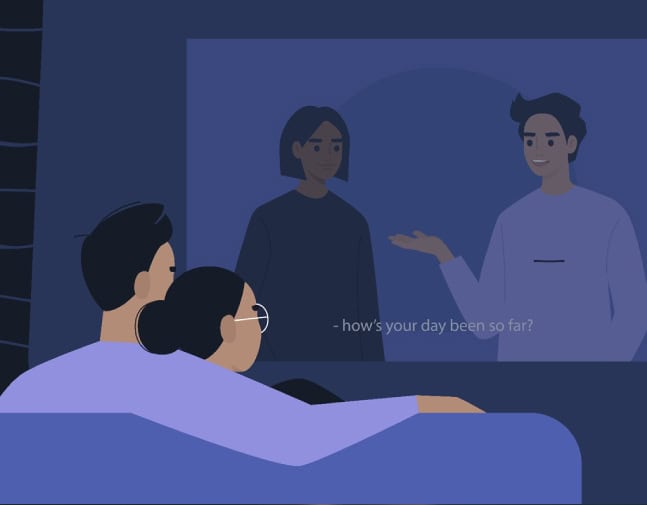
If you feel like you suddenly need subtitles for everything, you are not alone. Many Albertans say they cannot clearly understand dialogue on TV, movies, or social media videos without captions turned on. At Soundwave Hearing Care, we hear this concern regularly. Clients often worry their hearing aids are not working properly or that their hearing has declined, even after a recent hearing test showed stable results.
The truth is that the growing reliance on subtitles is not always about hearing loss. In many cases, the problem starts with how sound is produced, mixed, and delivered today.
Why Sound Quality Is Often the Real Issue
Modern audio is very different from what it was even ten or fifteen years ago. Most modern movies and TV shows are designed for playback on cinematic audio setups like soundbars and surround sound systems. Dialogue, background music, and sound effects are blended together in a way that sounds impressive but makes speech harder to understand.
Streaming platforms also compress audio to save bandwidth. Compression reduces subtle sound details, including speech clarity. When dialogue shares space with loud music or background noise, the human ear must work much harder to separate words from everything else.
This affects people with perfect hearing as well as those who use hearing aids.
Accents, Fast Speech, and Softer Dialogue
Another major factor is how people speak on screen today. Dialogue has become more natural and conversational. Actors often mumble, whisper, or speak quickly. Regional accents and stylistic voice choices are more common.
While this style may feel authentic, it reduces clarity. Our brains depend on crisp speech sounds, especially consonants, to fill in the gaps of conversation. When those cues are missing or unclear, subtitles become the easiest solution.
More Screens, Smaller Speakers
Many Alberta households now watch content on phones, tablets, laptops, or smart TVs with minimal audio output. These built-in speakers are not designed for clear speech reproduction. They struggle with low frequency and mid-range sounds where speech lives.
Even with hearing aids, poor speakers make clarity difficult. Hearing aids amplify sound, but they cannot fix distorted or muddy audio coming from the source.
Hearing Health Still Plays a Role
While sound quality is a major contributor, hearing changes should never be ignored. Age-related hearing loss often affects high frequency sounds first, which are essential for understanding speech.
If you feel like subtitles are becoming a necessity rather than a preference, it is worth booking a professional hearing test in Calgary. A comprehensive auditory assessment can identify subtle changes that may not be obvious in everyday conversation but still impact how you perceive sound on the screen.
Are Your Hearing Aids the Issue?
Clients sometimes assume their hearing aids are not working properly when dialogue sounds unclear. In reality, hearing aids cannot correct poor audio mixing or low-quality speakers. They are designed to support your hearing, not replace clean sound sources.
That said, hearing aids do need regular adjustments. Programming updates, microphone cleaning, and fine-tuning for speech clarity can make a noticeable difference, especially when combined with better audio settings at home.
What You Can Do
If subtitles feel essential for everything you watch, take these steps:
- Book a hearing test in Calgary to establish a clear baseline
- Have your hearing aids checked and adjusted if you wear them
- Use external speakers or soundbars designed for speech clarity
- Adjust TV audio settings to enhance dialogue
- Continue using subtitles without guilt or worry
Subtitles are a practical tool, not a sign of failure.
Trusted Hearing Care for Albertans
At Soundwave Hearing Care, we believe education is just as important as treatment. Understanding why sound feels harder to follow helps reduce frustration and unnecessary worry. Whether you are exploring hearing aids, scheduling a hearing test, or simply looking for reliable information, our team is here to help Alberta residents hear with confidence.
If you feel something has changed, trust your instincts and get your hearing checked. If your hearing is stable, you can rest easier knowing the issue likely lies with the sound, not your ears.
Subtitles are not a weakness. They are a modern solution to a modern problem.
All the blogs are reviewed and edited by our clinic's lead audiologist, Dr. Anne Wooliams. Dr. Woolliams is an experienced audiologist specialized in pediatric audiology, auditory processing, and tinnitus/sound sensitivity therapy. She is dedicated to providing top-notch hearing care and helping her clients improve their language and communication abilities. Dr. Woolliams' expertise in literature and linguistics, combined with her passion for helping people improve their language and communication, make her an incredibly valuable asset in the field of audiology. Learn more about Dr. Woolliams.